Home › Gravel-to-Asphalt Conversions
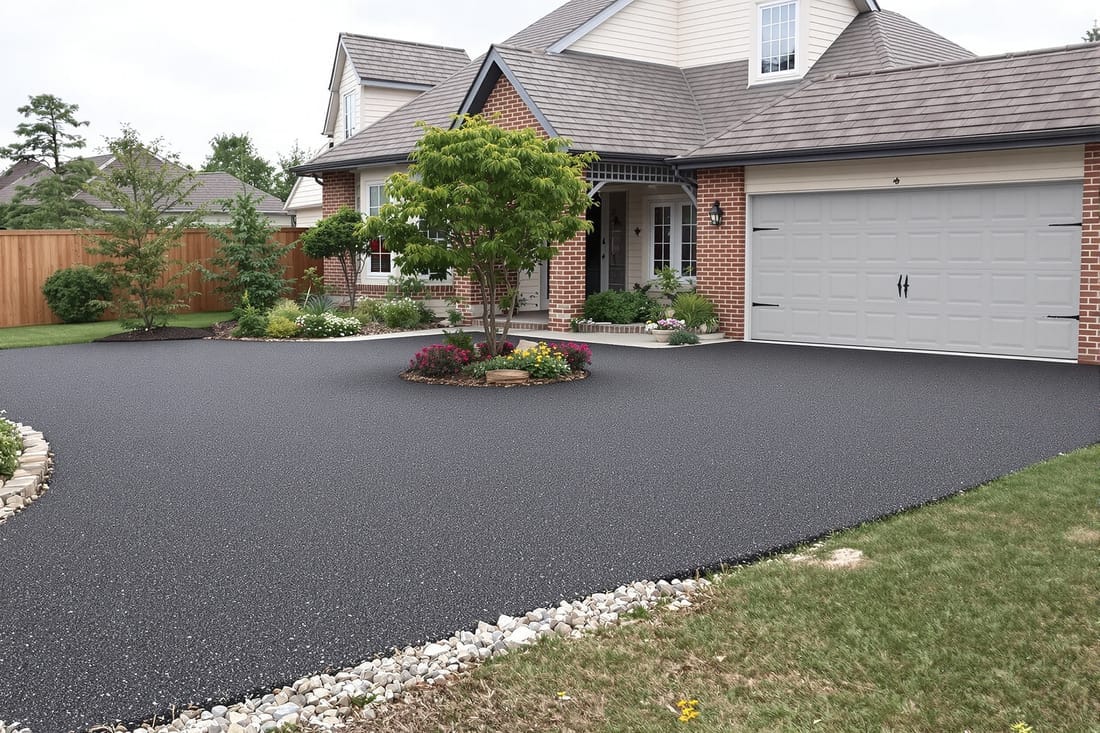
Upgrade your rough gravel drive with a gravel to asphalt driveway conversion in Omaha, NE. We regrade the base and install a solid asphalt surface that eliminates dust, mud, and constant ruts.
Precision Asphalt Omaha provides professional gravel to asphalt driveway throughout Omaha, NE, Nebraska and the surrounding area. Our licensed, insured crew delivers safe, clean, on-time work with a free estimate before anything begins. Call (402) 370-7792 or request your free quote.
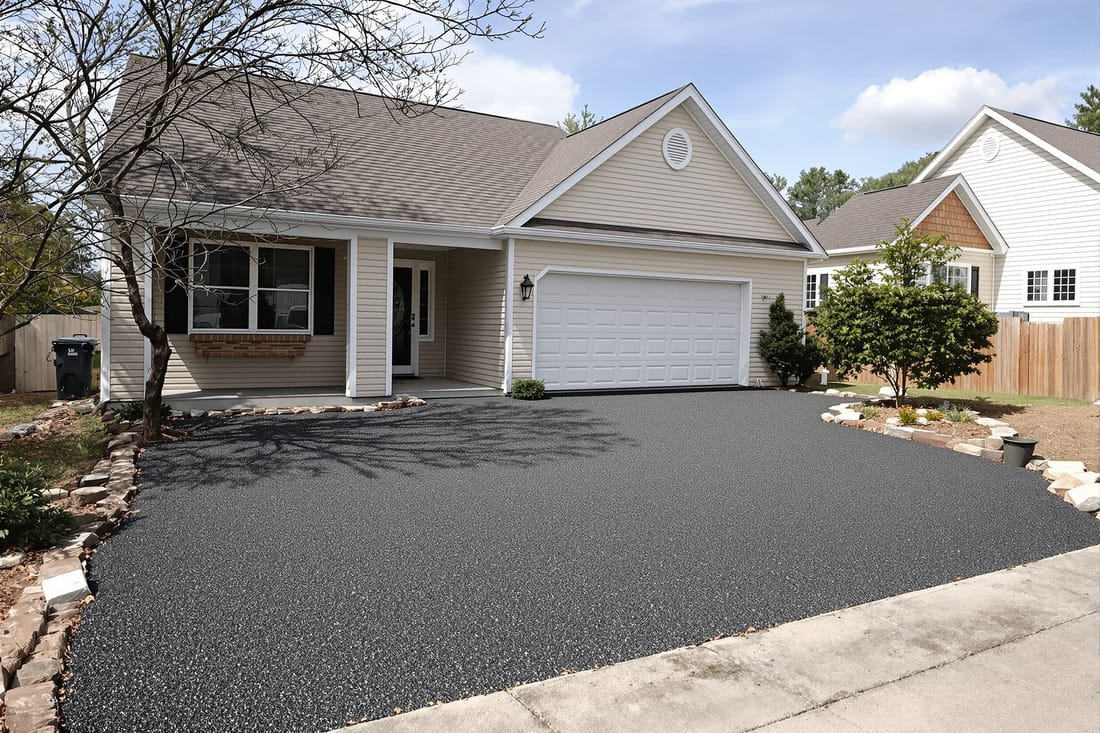
Turn Your Gravel Driveway Into Clean, Solid Asphalt
If you are tired of ruts, mud, or loose rock, converting a gravel driveway to asphalt is one of the biggest quality-of-life upgrades you can make to your property. Precision Asphalt Omaha specializes in gravel-to-asphalt driveway projects in and around Omaha, from older neighborhoods near Benson and Dundee to newer homes in West Omaha and acreage properties outside the city limits.
Gravel driveways around Omaha take a beating from freeze-thaw cycles, spring rains, and snow removal. Over time, they rut, wash out toward the street, and track mud and rock into your garage. A properly built asphalt driveway gives you a smooth, clean surface that drains correctly, is easier to shovel, and is safer to walk and drive on in all seasons.
Our approach is practical and budget-aware. Before we ever talk about thicknesses and mix types, we look closely at how you actually use the driveway. Do you park a camper or boat? Do delivery trucks or work trucks pull in frequently? Is there a slope toward your house or toward the street? Those details affect how we design the base and asphalt so the new surface holds up under the specific conditions on your property, not just in theory.
How We Convert a Gravel Driveway to Asphalt in Omaha
A long-lasting gravel-to-asphalt driveway conversion is mostly about what you do underneath the blacktop. At Precision Asphalt Omaha, most of our work goes into the base and drainage. Cutting corners there is what leads to heaving, cracking, and low spots a couple of winters later.
1. Site visit and evaluation
We start with measurements and a close look at the existing gravel and soil. In many Omaha neighborhoods the subsoil is a clay blend. Clay holds water, which can lead to heaving when it freezes. We check for soft spots, standing water, and how your yard currently drains. If we see water running toward the garage, for example, we plan grading corrections into the project.
2. Grading and base prep
If your existing gravel is in good shape and thick enough, we can often regrade and reuse much of it as part of the base. We use a skid steer and grading equipment to cut high spots and fill low spots, then we compact with a vibratory roller. Soft or pumped areas get dug out and replaced with compacted crushed rock. On slopes or near the street, we sometimes add a geotextile fabric between soil and base to keep clay from pumping up into the rock during wet weather.
3. Establishing proper drainage
Omaha storms can dump a lot of water fast, so drainage is not optional. We set a consistent slope away from the house and garage. On longer rural or acreage driveways we may shape a shallow crown in the middle so water sheds to both sides. If water wants to run toward a foundation, we adjust the driveway height or add shallow swales to push it out to the yard or street.
4. Edges and tie-ins
Good edges keep the asphalt from breaking up at the sides. Where possible, we compact the base 6 to 12 inches past the planned asphalt edge so the mat is supported. Where your new asphalt meets city street pavement, alleys, or an existing slab, we saw cut and mill as needed so you end up with a smooth transition and no trip edge.
5. Asphalt installation
For most residential gravel-to-asphalt driveway conversions in Omaha, we install 3 to 4 inches of hot mix asphalt in one or two lifts, compacted. Light-use driveways usually get a single compacted lift. Heavier use (RVs, work trucks, trailers) often calls for a base lift and a surface lift, each compacted with a steel drum roller and plate compactor in tight areas. We use mixes that are proven to handle Nebraska temperature swings.
6. Final compaction and clean up
We pay close attention to the passes we make with the roller so there are no soft spots or ripples. Joints are compacted tight so you do not see gaps or loose stone later. When the asphalt has been rolled and checked, we clean up loose gravel from the street and walkways so you can immediately see the improvement.
Design Options for Your New Asphalt Driveway
Once you move from gravel to asphalt, you have more control over how the driveway looks and functions. Precision Asphalt Omaha will walk you through choices that actually matter, without pushing unnecessary add-ons.
Driveway layout and width
Many older Omaha homes have narrow gravel strips that barely fit modern vehicles. During a conversion we can widen the drive so you can comfortably open doors or add a small parking pad beside the garage. On corner lots or acreage properties, we can straighten tight curves, open up blind spots, or create a turnaround so you are not backing into busy streets.
Thickness and strength
If you only park family cars, a standard residential section (3 inches compacted over a solid base) is usually enough. If you park a work truck, camper, or enclosed trailer, we will likely recommend a thicker base layer or an extra asphalt lift. It costs more up front but prevents rutting and cracking that lead to costly patching later.
Edges and borders
Instead of loose gravel spilling into the yard, you can define the edges. Some homeowners choose to stop at compacted base shoulders, while others add concrete or paver borders at the same time as the asphalt. We can set the asphalt edge to work with an existing sidewalk, porch, or future landscaping plan so you are not locked into an awkward layout.
Finish and appearance
Asphalt comes out with a smooth, black finish. We can build in subtle drainage slopes that you hardly notice visually but that keep water from standing. If you plan to sealcoat later, we will recommend a realistic timeline based on the specific asphalt mix and weather conditions.
Accessibility and safety
If someone in your household has mobility issues, we can pay extra attention to slopes and transitions so there are no harsh lips at the garage or walkways. We can also recommend small changes in layout that improve visibility when backing out into Omaha’s busier streets.
Costs, Local Conditions, and What Affects Your Price
No two gravel-to-asphalt driveway projects in Omaha price out exactly the same. The number one cost driver is the condition of the existing gravel and soil. The worse the base, the more work and material it takes to stabilize it.
Base condition
If your current gravel driveway has a decent thickness of compacted rock and only a few problem spots, we can reuse much of that material. That keeps your cost lower. If we find deep ruts, standing water, or areas that pump under the roller, those sections must be dug out and rebuilt with new base material. That adds labor and rock, but it is the difference between a driveway that lasts two winters and one that lasts fifteen or more.
Access and layout
Straight driveways with good access from the street are more efficient for us to pave. Tight backyards, shared drives, or steep slopes that require smaller machines or extra grading time can increase labor costs. Long rural driveways outside Omaha may have more trucking cost for getting asphalt and base material out to the site.
Thickness and use
A thicker section of asphalt or upgraded base adds to the initial price but is often cheaper over the life of the driveway. We will ask about future plans, such as getting a fifth-wheel camper, so we can design for that now instead of you paying for major repairs later.
Local weather and timing
Nebraska’s freeze-thaw patterns affect scheduling. We prefer to pave when temperatures allow proper compaction and curing. Early spring and late fall work is still possible, but we may adjust timing in the day and mix selection. Sometimes planning a project a few weeks earlier or later can give you better performance without changing the price.
Permits and neighborhood rules
Most standard residential driveway replacements in Omaha do not require complex permitting, but driveways that connect to city streets at new locations, or that cross sidewalks, may need city review. Some HOAs have rules on driveway width or appearance. Precision Asphalt Omaha can help you understand what applies to your property so you avoid surprises.
What to Expect, From First Visit Through the First Winter
Knowing what will actually happen on your property helps you plan around work schedules, parking, and kids and pets. Precision Asphalt Omaha keeps the process straightforward.
Before work starts
We meet on site, measure, and talk through how you use your driveway. You get a written proposal that spells out base prep, asphalt thickness, and any drainage work. Once you approve it, we schedule the job based on material availability and weather.
During construction
Most residential gravel-to-asphalt driveway conversions take 1 to 3 working days, depending on length and complexity. You will need to park on the street or elsewhere while we work. We bring in equipment for grading and compaction first, then trucks with hot mix asphalt. Expect some noise and truck traffic, but we keep the site organized and safe.
Right after paving
You can usually walk on the new asphalt the same day once it cools. Vehicle traffic is typically allowed after 24 to 48 hours, depending on temperature. We will give you specific instructions. For the first couple of weeks, we recommend avoiding tight turning of heavy vehicles in one spot and parking in the exact same place every day, especially in hot weather.
Through the first winter
A properly built driveway should ride through its first Omaha winter without significant issues. Minor surface scuffing from snow blades is normal, especially if metal blades are used. We recommend using rubber-edged shovels or setting your snow blower skids a bit higher for the first season. If you ever see standing water that was not there at the end of the job, or any early cracking, we want to know so we can address it.
If you are ready to stop dealing with mud, dust, and ruts, we can evaluate your gravel driveway and give you a clear plan to turn it into a solid asphalt surface that fits your property and your budget.